
Certificate in Neurodiversity Coaching
ACCREDITED BY THE ASSOCIATION OF COACHING
WHAT WILL YOU LEARN?
Whilst ADHD coaching has been around for a while, the reality is that many ADHDers also have another form (or forms!) of neurodivergence and that has a big impact on their presentation, the issues they face and the solutions that they might need. We’ve also had autistic clients ask why there isn’t such a thing as autism coaching, and we feel there absolutely should be – hence neurodiversity coaching.
This refers to the fact that many people have more than one condition (see what is neurodiversity coaching) but also that people’s experiences of being neurodivergent are impacted by their gender, their age, their cultural background as well as things like education and socioeconomic factors.
Whilst we are training you to be a coach not a therapist it helps to have an understanding of the relationship between neurodivergence and trauma. Our knowledge of the relationship between neurodivergence and trauma is growing rapidly. The ATTUNED Approach is rooted in the understanding of what’s termed a bidirectional relationship between the two, ie being neurodivergent means an individual is more likely to experience trauma but the also being neurodivergent impacts on how we experience and store trauma as well.
To achieve a certificate level in coaching you need to be able to demonstrate a specific skill set. Contracting refers to the process by which you and your client agree the practicalities and the scope of your work in your initial session. This is designed to keep you and your client safe and sets the tone for the relationship that you build with your client.
Emotion is the driver behind many behaviours. Neurodivergent people may have significant differences in how the experience, process and express emotion and understanding this is fundamental to our coaching work.
Alongside the differences in emotional processing, neurodivergent clients may also have differences in how they process language. We need to be aware of this as this is the predominant way we communicate as coaches. Understanding the use of language and the way we can adapt the way we communicate with our clients in session is an integral part of what sets ATTUNED apart from other modalities. With our training we not only give you the tools to adapt how you work with your clients but also the comprehensive understanding of why this is so vital to the coaching process.
The requirements of the certificate level course mean that we must study three traditional coaching models. The three we study in our course are GROW (goal setting), SFC (Solution Focussed Coaching) and CBC
(Cognitive Behavioural Coaching). These are all useful models, but they may not work with neurodivergent clients in their original form. We look at why not and how we can adapt them. We do this using ATTUNED.
ATTUNED is a coaching model that can used on its own or to adapt other coaching models. It is neuro-affirming and works with an individual’s neurology to find solutions that will work for them.
Every individual will have strengths and barriers to achieving what they want to. We explore how strengths can be utilised effectively and what solutions might be used with typical barriers. Being neuro-affirming we may also look at how what appears to be barriers might actually be strengths after all.
There are a variety of session structures that can be used in coaching. We look at these and how you might need to adapt them for individual clients.
Many of our clients may have experienced mental health challenges or been misdiagnosed with them. We look at this in depth and look explore what our limitations are as coaches and when we may need to refer on. This is crucial to protect both you and your clients.
We look at the law as it relates to neurodiversity. We also look at the governance we are subject to as coaches and the ethics and frameworks which we have to adhere to.
Not all of our coaches will want to set up their own businesses but many do. We look at the practicalities of doing this, covering the law, financial processes, insurance, marketing and networking amongst others.
These are two of our stand alone introductory courses which are included as part of the Neurodiversity Coaching Certification because this guarantees all our coaches have the same baseline
knowledge of Autism and ADHD.
It allows for group participation and discussion on the subject and ensures that our coaches understand the root of their client’s presentation.
Introducing: Extended ATTUNED
Same curriculum. A longer timeframe with a reduced weekly load.
Extended ATTUNED follows the full ATTUNED Certificate curriculum, with shorter weekly sessions and more breathing space between them. Designed to support deeper integration, accessibility, and sustainable learning alongside work and life.
First cohort start date: 9th March 2026
Course Pricing
If you decide to join our Neurodiversity Coaching course we have 3 payment plan options:
Pay in Full
Payment Plan A
Payment Plan B
Please note: Certification can only be issued upon full payment of the course fees.
STUDY METHODS
Your Certificate in Neurodiversity Coaching includes:
- 1 x ATTUNED Understanding of Autism Module (20hrs)
- 1 x ATTUNED Understanding of ADHD Module (20hrs)
- 1 x Accredited Certificate in Neurodiversity Coaching Course (4 months)
- 2 Hours 1:1 supervision
Online Only
Introductory CPD Units
Weekly Sessions
Triad Work
Flexible Assessment Methods
Business Development
YOUR TRAINERS
Our two trainers have over 25 years of experience with the neurodivergent community. Both are neurodivergent themselves and have neurodivergent families.
Emma Whymark
Changing Behaviour
Emma is an experienced neurodiversity specialist with 25 years of educational experience as a SEND teacher and adviser. As a therapist, coach, and education consultant, she combines her professional background with personal insight as both a parent of neurodivergent adults and someone with ADHD. Together with Lisa, she co-developed the ATTUNED approach to help neurodivergent individuals better understand themselves and achieve their unique goals.
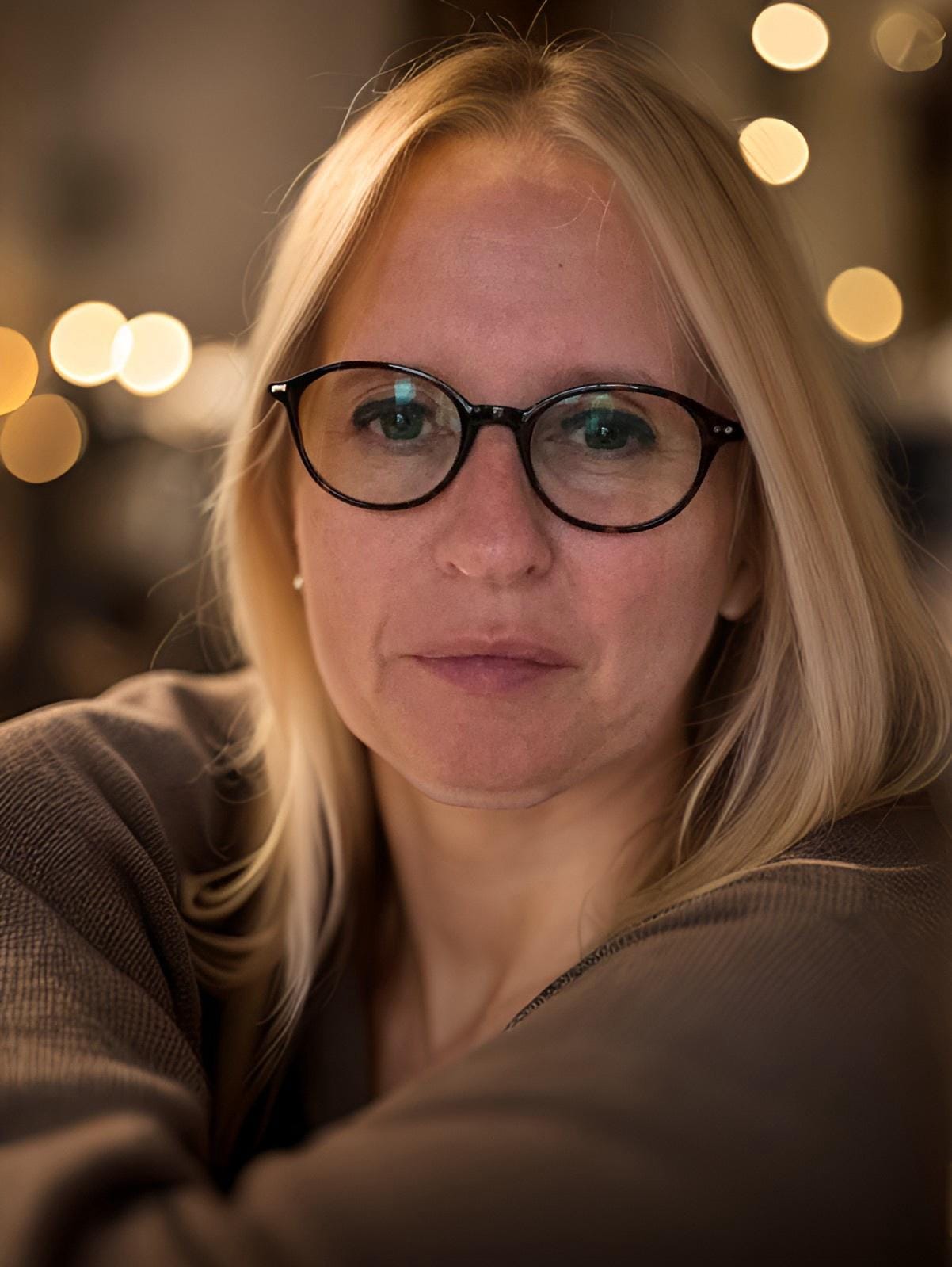
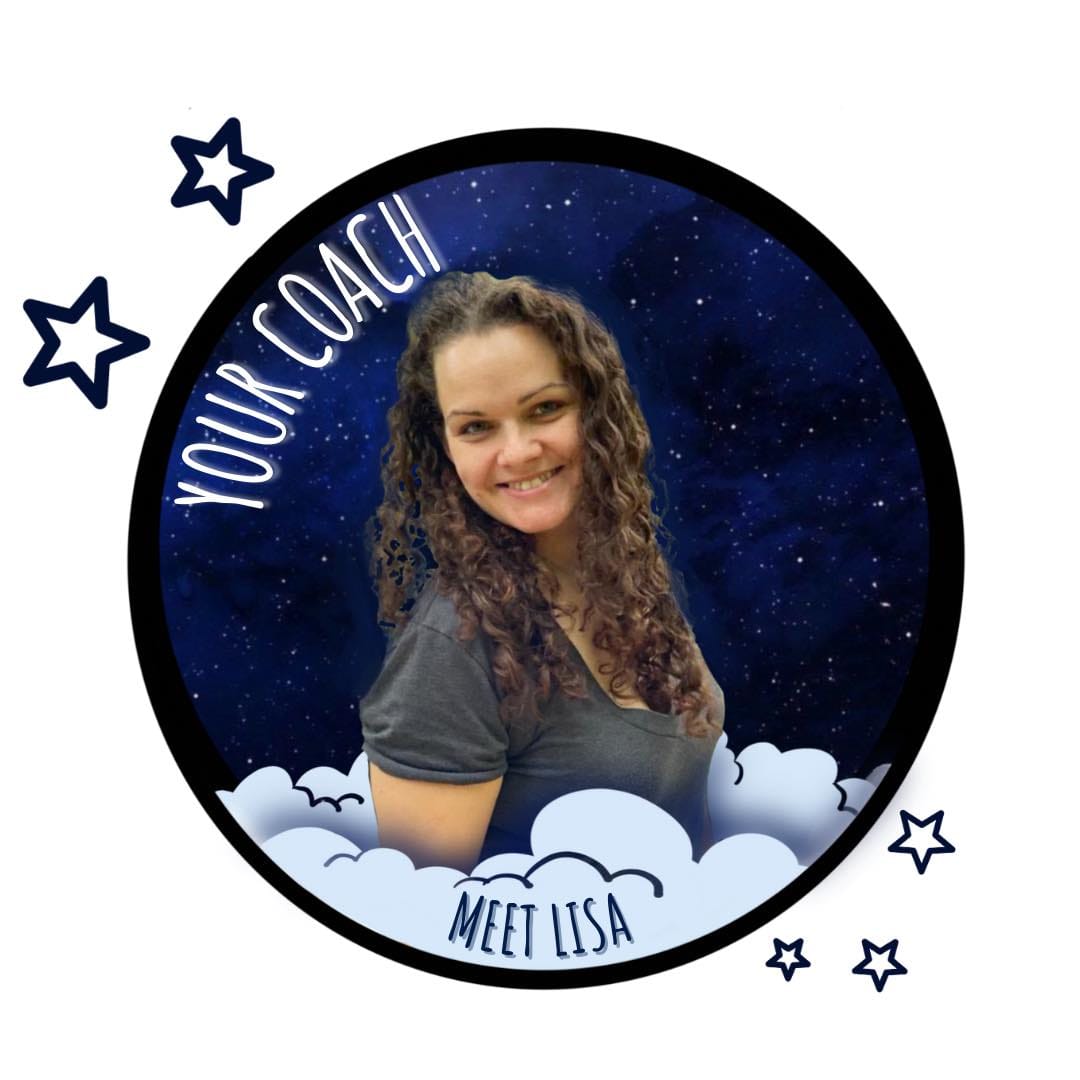
Lisa Poole
Perspective Coaching
Lisa is a neurodiversity coach and co-developer of the ATTUNED approach. Drawing from both professional expertise and lived experience as part of a neurodivergent family, she founded Perspective Coaching in 2021 to support neurodivergent children, teens, and adults. Her practice focuses on neuroaffirming coaching methods that help individuals understand and address their unique challenges while embracing their authentic selves.
Course Pricing
If you decide to join our Neurodiversity Coaching course we have 3 payment plan options:
Pay in Full
Payment Plan A
Payment Plan B
Please note: Certification can only be issued upon full payment of the course fees.
Frequently Asked Questions
For a few reasons, Firstly we recognise that not everyone fully understands the nuances of language used in the neurodivergent community, most people have come across the term neurodiversity and have an awareness of its meaning.
Secondly, we are coaching the neurodiverse population and that also includes the predominate ‘typical’ neurotype. When coaching neurodivergent individuals, we often support typically presenting relatives, teachers or employers to better understand the people they care for, support or work with. Likewise, part of neurodiversity coaching may involve supporting a neurodivergent individual to better understand or accommodate a neurotype that differs from their own. ATTUNED Neurodiversity Coaching is about attuning to the world around us and the world around us attuning to us. Therefore, neurodiversity encompasses everyone in this process.
We believe so, yes. Both of our trainers have studied person centred counselling and while this has proved invaluable in their coaching journeys, it did not prepare them for the adaptations to communication, understanding of emotional processing, the influence of language or the strategies that are needed to be understood to support clients in a neuroaffirming and empowering way. Please get in touch if you are unsure and one of our trainers would be happy to talk through the course with you to determine if this is the right course for you.
We really hate this question, even though it is an important one. The short answer is yes.
It is undeniable that coaching can be a lucrative career, however, our focus always has been and will continue to be, training our coaches to do the best job of supporting a client as possible.
We are passionate about the potential for a coach to make significant impact in the work they do. As coaches ourselves we see everyday the difference we can make to a client’s life. This might be through helping them understand their neurology and letting go of some of the shame surrounding their barriers, It may be that we support a client to learn a skill that they previously found too difficult or it may be through supporting a client to advocate for themselves to get needs met in an environment that was previously causing dysregulation. To see the results of this work is priceless.
Each of our trainers runs both a privately funded coaching practice and a community interest company C.I.C to allow them to deliver this support free of charge to anyone who needs it.
Charging privately for clients can range anywhere between £25 and £150 per hour. We discuss the options and ethics of this at great length in the course.